Modern Portfolio & Photobook Template for Creatives
There’s a specific moment every creative professional dreads—the realization that your portfolio or lookbook, despite containing incredible work, isn't making the impact you hoped for. You’ve spent hours tweaking layouts, wrestling with margins, and trying to align text boxes, only to end up with a document that looks "homemade" rather than "high-end." If you are preparing for a client pitch, showcasing a photography series, or creating a magazine-style brand guide, the difference between a mediocre presentation and a winning one often lies in the structure and the typography. That is where a dedicated design asset, specifically a robust Professional Portfolio or Photobook template, becomes the secret weapon in your creative arsenal.
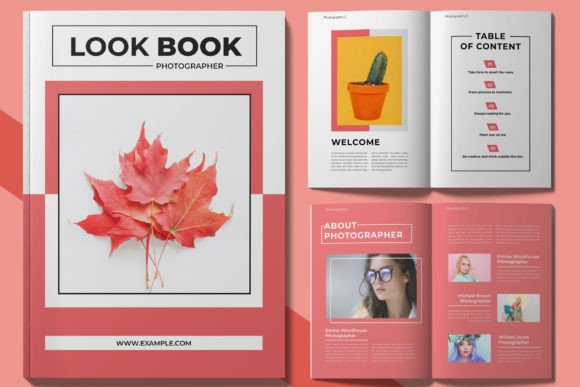
This template isn't just about filling in the blanks; it is a sophisticated tool designed for those who need a polished, contemporary aesthetic without the headache of building a layout from scratch. It is the ideal option if you require a clean, modern framework that allows your visuals to breathe. One of the most significant pain points in design is organization—layers getting tangled, text styles being inconsistent, and print settings being incorrect. This template solves those issues immediately. It is particularly well-organized and layered, meaning you aren't just buying a static PDF; you are acquiring a flexible system. You can quickly update and modify the material to suit your demands, whether you are a photographer updating your seasonal lookbook or a small business owner compiling a product catalog.
Streamlining Your Workflow with Professional Design Assets
For the busy entrepreneur or designer, time is a currency you cannot afford to waste. The frustration of "fighting the software" is real. Many creatives have a vision but lack the technical patience to execute complex layouts in InDesign. This is where the value of a professional template truly shines. Compatible with InDesign (INDD), this asset is tailored for the industry-standard software, yet it remains accessible enough for those who aren't power users. The "Easy Edit" nature of the template means that the heavy lifting—grid systems, baseline shifts, and master pages—has already been done for you.
Imagine you are a wedding photographer. You have just delivered a gallery to a client, but you also want to leave them with a physical magazine-style book. Instead of outsourcing the layout for hundreds of dollars, you can use this template. The instant download feature means your files are available immediately after purchase. There is no waiting for a designer to get back to you; you can start building your book tonight. The professional, clean design ensures that your photography remains the hero, supported by typography that enhances rather than distracts.
Furthermore, the inclusion of A4 paper size is a practical benefit for both digital sharing and standard printing. Whether you are sending a digital brochure to a potential investor or printing a physical handout for a trade show, the dimensions are universally understood. The CMYK color scheme is another critical technical detail. If you have ever printed a document only to find that the colors look washed out or drastically different from your screen, you know the importance of this setting. This template is print-ready, meaning you can send it to the printer with confidence, knowing that the color translation will be accurate.
Visual Consistency and Brand Recognition
Typography is the voice of your brand. Just as you wouldn't speak in a monotone drone during a presentation, you shouldn't present your brand with chaotic or inconsistent typefaces. A major hurdle for small business owners and content creators is maintaining visual consistency across different platforms. When you use a disjointed set of fonts for your website, your Instagram graphics, and your PDF proposals, your brand looks fragmented.
Using a cohesive template helps bridge the gap between your digital presence and your physical materials. While the template provides the structure, the choice of typeface within it dictates the mood. Whether you lean towards a premium serif font for a luxury feel or a clean sans-serif for a modern tech vibe, consistency is key. This template utilizes free fonts, which is a massive advantage for startups and freelancers watching their bottom line. You get the aesthetic of a high-end commercial font without the recurring licensing fees often associated with premium typefaces.
Visual consistency breeds trust. When a potential client sees that your proposal matches the typography of your website and your social media graphics, it subconsciously signals that you are detail-oriented and professional. It elevates your presentation from "scrapbook" to "corporate portfolio." This is particularly vital for industries like interior design, architecture, and luxury goods, where the medium is often seen as a reflection of the message.
Practical Applications Across Industries
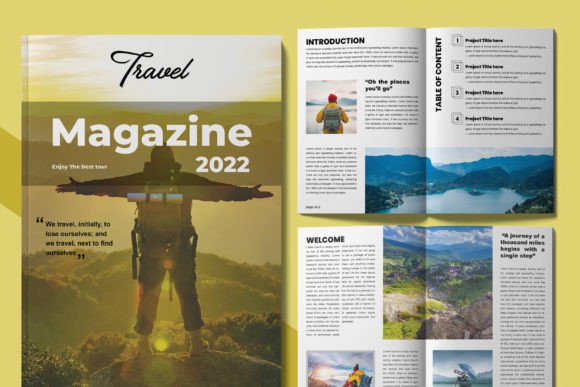
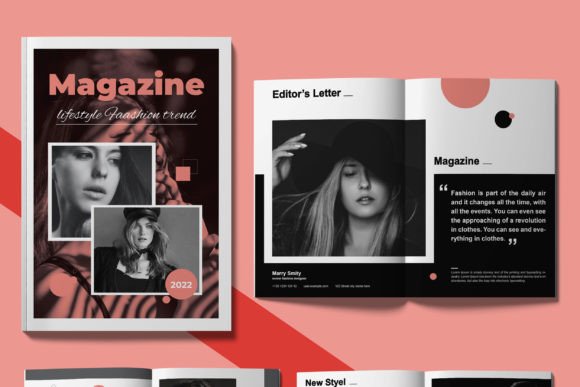
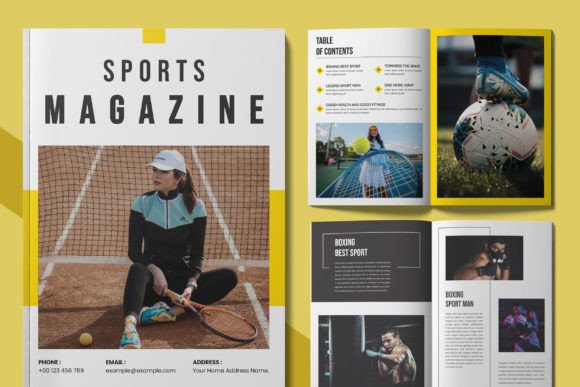
The versatility of a well-layered InDesign template extends far beyond just a book of photos. Think of this asset as a container for your content, ready to be molded to fit a variety of needs. Here are some practical ways this template can be utilized across different sectors:
- Editorial Design & Zines: If you are a blogger looking to repurpose your content into a downloadable PDF lead magnet, this layout is perfect. It allows for long-form text mixed with high-resolution imagery, creating a reading experience that feels substantial and valuable.
- Product Catalogs: For e-commerce brands, a clean layout is essential to highlight product details. You can use the grid system to display product variations, pricing, and descriptions in a way that is easy for buyers to scan.
- Brand Guidelines: Agencies and freelancers can use this to present brand identity systems. The structured layers make it easy to showcase logo usage, color palettes, and typography rules clearly.
- Digital Lookbooks: Fashion designers and stylists often need to send seasonal lookbooks to buyers and press. A modern template ensures the clothing or accessories are presented in a contemporary context.
- Marketing Proposals: Pitching a new campaign? A visually engaging proposal is more likely to be read than a plain Word document. Using this template to layout your strategy, timelines, and mockups can significantly increase your close rate.
Typography as a Strategic Tool
While the template handles the layout, the typography you choose acts as the strategic glue holding the design together. The features listed—such as "Using a free font"—imply flexibility, but it is important to understand how to leverage this. If you decide to swap out the suggested fonts for your own brand fonts, you need to ensure they fit the grid.
For example, if the template is designed with a sans-serif font for headers and a serif for body text, maintaining that hierarchy is crucial. This contrast (often called a "serif-sans serif pairing") helps guide the reader's eye, distinguishing between headlines and detailed information. If you switch to a script font for headers, ensure it remains legible at the size used. A handwritten font might look beautiful for a wedding invite, but if it's too complex, it can ruin the readability of a magazine cover.
Consider the "personality" of the typeface. A modern, geometric sans-serif projects efficiency and innovation—great for tech startups or architecture firms. A classic serif suggests tradition and reliability—ideal for law firms, financial advisors, or historical publications. By keeping the template’s structural integrity but swapping the "skin" (the fonts), you can radically change the perception of the content.
Technical Confidence and Usability
One of the biggest barriers to entry for non-designers is the fear of breaking the file. We have all been there: you move one text box, and suddenly three images jump to the wrong page. The mention of "Well-organized layers" is perhaps the most valuable feature in the description for the DIY designer.
When a file is well-layered, it acts like a set of labeled drawers. You know exactly where the text goes, where the images live, and where the background elements sit. This organization allows you to hide elements you don't need or easily swap placeholder images without disrupting the rest of the page. It turns the editing process from a game of Jenga into a simple fill-in-the-blanks exercise.
Additionally, the 100% editable nature of the file means you are not locked into a specific aesthetic. Want to change the background from white to a dark charcoal for a moodier vibe? You can do that. Need to resize an image frame? You can do that too. This level of control is essential for creative professionals who need their tools to adapt to the project, not the other way around.
Final Thoughts on Presentation and Value
In a crowded market, the presentation of your work is often the first handshake. Whether you are a hobbyist putting together a family yearbook or a marketing professional compiling a quarterly report, the tools you use dictate the outcome. A Professional Portfolio or Photobook template offers a shortcut to a polished result, removing the technical barriers and allowing you to focus on what matters: your content.
By leveraging features like CMYK readiness, organized layers, and free font compatibility, you ensure that your final product is not only beautiful but also functional and cost-effective. It is about working smarter, not harder. With the right template, you can transform a collection of images and text into a cohesive narrative that captivates your audience and elevates your brand's visual communication.