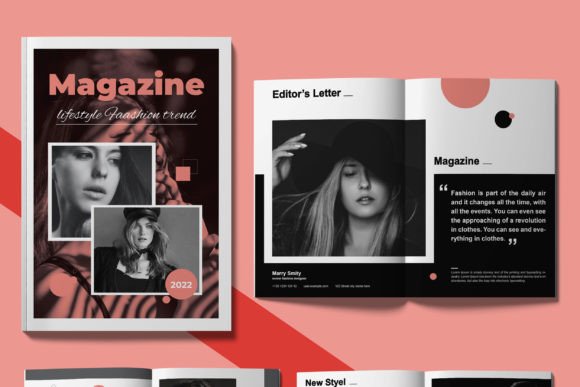
Magazine Design 2024: The Modern Template for Polished Publications
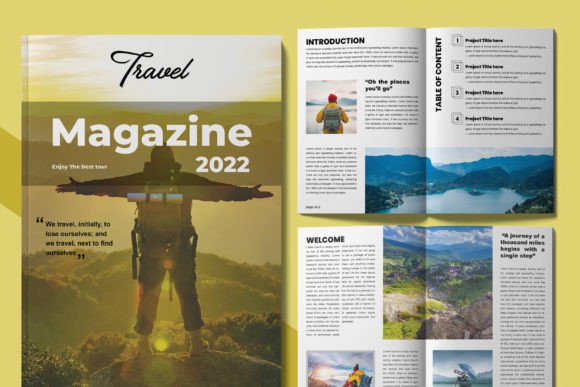
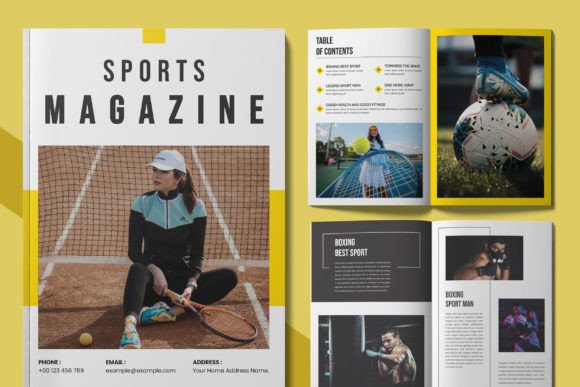
Imagine holding a magazine that feels both timeless and utterly fresh—crisp layouts, balanced typography, and visuals that guide your eye naturally from one story to the next. That’s the power of thoughtful editorial design, and in 2024, creators are leaning into templates that offer both sophistication and flexibility. Whether you’re launching a niche publication, crafting a brand lookbook, or producing a digital portfolio, the right template can transform your content from ordinary to exceptional. This is where a well-structured, contemporary magazine design becomes an indispensable asset.
Why a Layered, Editable Template Changes Everything
One of the biggest challenges in editorial design is balancing aesthetic appeal with practicality. A beautifully designed page means little if you can’t customize it efficiently. That’s why the emphasis in modern design assets—especially for magazines—is on clean organization and layered files. When a template is meticulously layered, swapping out images, adjusting color schemes, or reworking text becomes a seamless process. You’re not just buying a static design; you’re investing in a dynamic framework that adapts to your vision.
For those working in Adobe InDesign, compatibility is crucial. A template built specifically for INDD ensures you can leverage the software’s powerful layout tools without conversion headaches. The inclusion of a CMYK color scheme means your designs will translate accurately from screen to print, avoiding those last-minute surprises at the printer. And with print-ready settings already configured, you can focus on content rather than technical adjustments.
From Brand Identity to Social Media: Practical Applications
A versatile magazine template isn’t limited to traditional publishing. Think about how editorial design principles can elevate other areas of your creative work. A well-structured layout can serve as the backbone for a brand’s visual storytelling—whether that’s through a quarterly newsletter, a product catalog, or an annual report. The same principles that make a magazine page engaging—clear hierarchy, balanced white space, and strategic typography—apply equally to packaging inserts, corporate brochures, or event programs.
Consider how a cohesive design system strengthens brand recognition. When your social media graphics, website banners, and print materials share a consistent visual language, your audience begins to associate that polished aesthetic with your brand’s professionalism. A template with a clean, modern design provides that foundational consistency. It’s not just about looking good; it’s about building trust through visual coherence.
Here are just a few ways you might adapt a magazine-style template beyond traditional publishing:
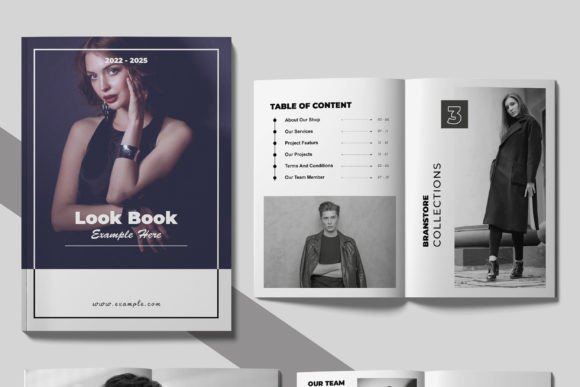
- Lookbooks and Portfolios: Showcase creative work with a layout that highlights images and tells a visual story.
- Marketing Collateral: Design brochures, flyers, or direct mail pieces that feel premium and thoughtfully composed.
- Digital Products: Create downloadable guides, e-books, or online course materials with a professional, readable format.
- Event Programs: Produce schedules, speaker bios, and venue maps that are both informative and aesthetically pleasing.
- Social Media Series: Use template elements to create cohesive Instagram carousels or Pinterest graphics that echo your publication’s style.
Key Features That Support Your Workflow
When evaluating a design template, practical features often matter more than flashy extras. Instant download access means you can start working immediately—no waiting for files to arrive. A4 paper size is a global standard, making it suitable for both local and international printing. The inclusion of free fonts is a thoughtful touch, as it eliminates licensing worries and ensures you can share editable files without font compatibility issues.
Well-organized layers might sound technical, but in practice, they save hours of frustration. Imagine trying to adjust a headline only to find it locked in a group with three other elements. Proper layer organization means you can isolate and edit components without disrupting the overall design. This level of detail reflects a template built by someone who understands real-world design workflows.
Typography and Readability: Getting the Details Right
Great editorial design is invisible when it’s done well. Readers should be absorbed by the content, not distracted by awkward line breaks or hard-to-read typefaces. A thoughtfully chosen font pairing—often included in premium templates—ensures that body text remains legible at small sizes while headlines command attention without overwhelming the page.
If you’re adapting the template for different projects, consider how typography aligns with your brand voice. A clean sans-serif might convey modernity and approachability, while a classic serif could evoke tradition and authority. Testing your chosen fonts across different devices and print samples is always worthwhile. What looks elegant on screen might feel cramped in print, or vice versa. Taking time to review the included font styles and how they perform in various contexts will pay off in the final product.
Bringing It All Together
Ultimately, a magazine design template is more than just a collection of pages—it’s a starting point for professional storytelling. Whether you’re an entrepreneur crafting a brand narrative, a designer streamlining client projects, or a hobbyist exploring print design, having a flexible, well-organized template accelerates your creative process. It allows you to focus on what truly matters: the message you want to convey and the audience you want to reach.
As visual communication continues to evolve across platforms, the demand for cohesive, adaptable design assets grows. A template that offers both aesthetic appeal and practical functionality doesn’t just make your work look better—it makes the entire process more efficient and enjoyable. And in a world where first impressions are often visual, that polish can make all the difference.