Streamline Your Editorial Design with the 2022 Lookbook Template
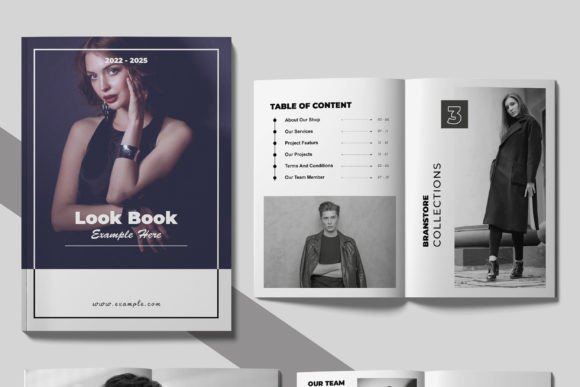
There is a distinct kind of creative fatigue that sets in when you are staring at a blank Adobe InDesign page, trying to organize a massive amount of content for a print or digital publication. Whether you are a fashion designer compiling seasonal collections, a photographer curating a portfolio, or a small business owner preparing a product catalog, the structural setup often consumes more time than the actual creative content creation. This is where having a robust structural foundation isn't just a convenience—it is a necessity for meeting deadlines and maintaining your sanity. The Fashion Magazine Template 2022, specifically "The Lookbook," addresses this exact bottleneck by providing a sophisticated, pre-designed framework that allows you to focus entirely on your imagery and messaging.
The Power of a Pre-Built Editorial Framework
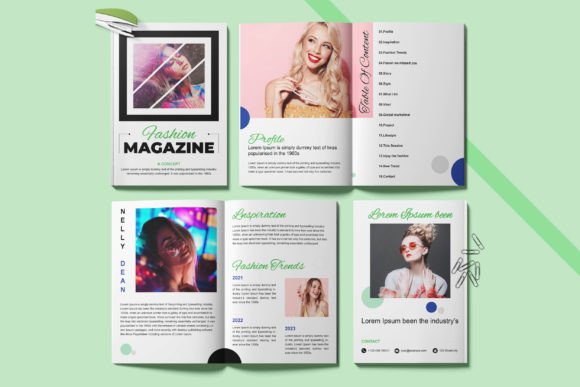
The primary value of a professional template lies in its ability to bridge the gap between amateur layout attempts and high-end publishing standards. The Lookbook is described as an elegant, multipurpose solution, and that versatility is its strongest asset. With over 22 unique pages included, this isn't just a one-off flyer; it is a comprehensive publication system. The fact that it comes in a standard A4 size makes it instantly compatible with global printing standards, whether you are producing lookbooks for buyers, client presentations, or direct mail marketing.
For those concerned about technical compatibility, the template is designed for Adobe InDesign (CS5 and up), which remains the industry standard for editorial design. The inclusion of 3mm bleeds is a critical detail that often gets overlooked by novices. Bleeds ensure that your background colors and images extend to the very edge of the paper after trimming, preventing the unprofessional look of white slivers along the margins. This "print ready" feature demonstrates that the template was built by someone who understands the physical realities of print production, not just digital aesthetics.
Practical Applications Beyond Fashion
While the name suggests a focus on apparel, the structural integrity of a 22-page layout lends itself to a variety of industries. The "clean design" and "well-organised layers" mentioned in the features make it an adaptable canvas.
Consider the following real-world applications:
- Brand Identity Guides: If you are a brand strategist, you can repurpose the editorial layouts to present brand guidelines. The mix of full-bleed images and text-heavy pages allows you to showcase logo usage, color palettes, and typography rules effectively.
- Product Catalogs: For small business owners selling physical goods, the template serves as an instant catalog. You can dedicate specific spreads to product details, using the paragraph styles to maintain consistent pricing and descriptions across dozens of items.
- Photography Portfolios: Photographers can utilize the high-contrast layouts to let their work speak for itself. The CMYK color scheme ensures that what you see on screen is closer to what you will get in print, a crucial factor for visual accuracy.
- Corporate Reports: Even in the corporate world, an annual report doesn't have to be boring. Using a modern typography layout can make financial data and company achievements feel more engaging to stakeholders.
Streamlining the Workflow with Editable Assets
One of the most frustrating aspects of downloading design assets is discovering that they are "flattened" or locked, requiring you to rebuild the file from scratch. The Lookbook promises 100% editability, which is vital for customization. The inclusion of paragraph styles is a massive time-saver for anyone involved in editorial design. Instead of manually adjusting the font size, leading, and tracking for every single header or body text block, you simply apply a style. This ensures visual consistency throughout the document—a key component of professional brand identity.
Furthermore, the separate layers allow for complex manipulation. You can easily swap out background textures, adjust image overlays, or hide elements that don't fit a specific page's content without disrupting the rest of the layout. This modularity transforms the template from a static file into a dynamic design tool. The fact that it uses free fonts is another practical benefit; you can download and install the typography immediately without facing a paywall for a premium font license just to get the file to look right.
Aligning Typography with Brand Voice
Typography is the voice of your visual communication. In a magazine or lookbook format, the interplay between headlines and body copy sets the mood. A common challenge for designers is finding the right font pairing—matching a striking display font for headers with a highly readable sans-serif or serif font for the body text. By providing links to the specific free fonts used, this template removes the guesswork. It offers a proven typographic hierarchy that balances readability with aesthetic appeal.
However, customization is encouraged. If you are working with a client who has strict brand guidelines, the editable nature of the template allows you to swap these fonts for their proprietary typefaces. When doing this, it is important to consider the "x-height" and weight of the replacement fonts to ensure they don't break the layout's balance. For example, if you replace a light, airy header font with a heavy, condensed bold font, you may need to adjust the text frames to prevent awkward text wrapping.
Ensuring Professional Presentation and Audience Engagement
In the realm of digital products and marketing assets, the perceived value of your content is often tied to its presentation. A beautifully designed PDF lookbook or digital catalog increases audience engagement because it signals professionalism and attention to detail. When a potential client or buyer opens a file that is chaotic, misaligned, or uses jarring color schemes, it creates friction and distrust.
Conversely, a smooth, elegant layout guides the reader's eye naturally through the content. The "multipurpose" nature of The Lookbook allows you to create a rhythm in your publication—alternating between dense information pages and visual "breather" pages with full-bleed photography. This pacing is essential for keeping the reader engaged from the first page to the last. Whether you are using this for a physical print run or distributing it as a digital asset, the result is a cohesive narrative that enhances your brand's credibility.
Final Thoughts on Usability and Support
Finally, the practicalities of customer support and documentation should not be underestimated. The inclusion of a Help File Documentation is a sign of a thoughtful asset creator. Even experienced InDesign users occasionally run into issues with missing links or specific layer configurations. Knowing that there is fast and friendly support available provides a safety net, ensuring that your project timeline isn't derailed by a technical snag. For the entrepreneur or designer looking to produce high-quality editorial content without starting from zero, this template offers a streamlined, professional starting point. It is a tool designed to let your content shine, wrapped in a structure that respects the technical demands of modern design.