Organize Your Week: A Modern Planner Layout for Busy Lives
Let’s be honest: the chaos of modern life doesn’t pause just because you close your laptop. Between client deadlines, household chores, and the elusive concept of "personal time," staying organized often feels like a full-time job in itself. I used to rely on sticky notes and digital apps, but there is something irreplaceable about putting pen to paper. The tactile act of writing helps cement tasks in your mind. However, not all planners are created equal. A cluttered design can add to the stress rather than alleviate it. That’s why finding a tool that balances aesthetic appeal with functional utility is a game-changer for professionals and creatives alike.
The Power of Minimalist Design
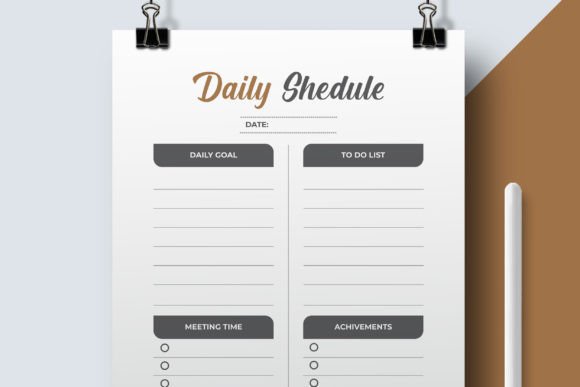
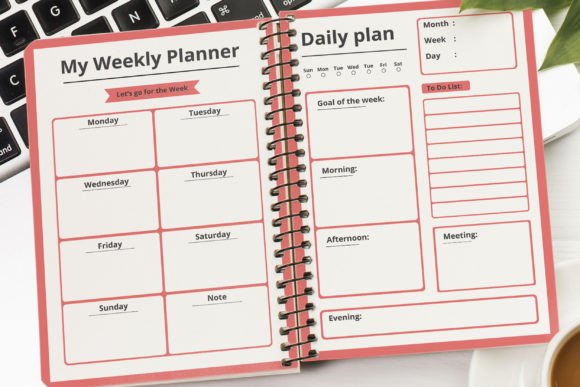
The New Weekly Planner Design Layout we are looking at today isn't just a calendar; it is a study in intentional organization. The first thing you will notice is the minimalist and modern look. In the world of visual communication, white space is just as important as the content itself. This layout understands that. It avoids the "clutter trap" that many planners fall into, where every inch of the page is filled with boxes and lines that visually overwhelm you before you even start writing.
Instead, this design uses a clean, modern typography approach to guide your eye naturally. For a small business owner or a creative entrepreneur, this is crucial. You need a system that lets you see the big picture—your weekly goals and milestones—without getting bogged down in the minutiae. The visual consistency of the layout ensures that whether you are jotting down a quick grocery list or mapping out a brand identity project, the page remains organized and readable.
Beyond the Calendar: A Tool for Holistic Planning
What sets this specific weekly planner apart from generic stationery store options is its versatility. It is designed to be a centralized hub for your entire life, not just your 9-to-5. The layout includes dedicated sections that acknowledge the reality of work-life integration.
For instance, the inclusion of specific tracking for cleaning tasks might seem minor, but for a busy content creator or blogger working from a home office, it is a lifesaver. It removes the mental load of remembering household chores, allowing you to focus your cognitive energy on high-value tasks like web design or marketing assets. Furthermore, the ability to track goals and milestones directly within the weekly view bridges the gap between daily execution and long-term strategy. You aren't just checking off tasks; you are actively building toward a destination.
Technical Precision Meets Creative Flexibility
From a design perspective, the technical specifications of this layout are robust. It is built as an Illustrator standard template, which is the industry standard for vector-based precision. This means the layout is infinitely scalable without losing quality. The file is set up in CMYK color mode and is print-ready at A4 size (8.27 x 11.69 inches). This is a massive time-saver for graphic designers and crafters who want to create physical products. You don't have to worry about bleed margins or color conversion issues; the heavy lifting has been done for you.
Moreover, the customization potential is where this asset truly shines for commercial use. Because it uses free fonts, you can replicate the exact look without worrying about expensive licensing fees for your team or your clients. The easy-to-edit nature of the Illustrator files allows you to inject your own brand identity into the planner. You can swap out the sans serif font for a script font to give it a more personal touch, or adjust the color palette to match your corporate branding. This makes it an ideal design asset for agencies looking to create branded stationery for their clients.
Real-World Applications for Creatives
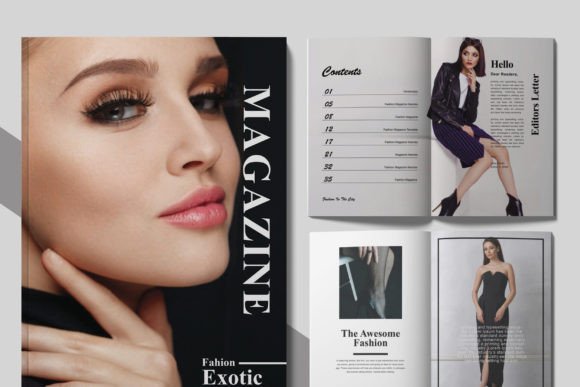
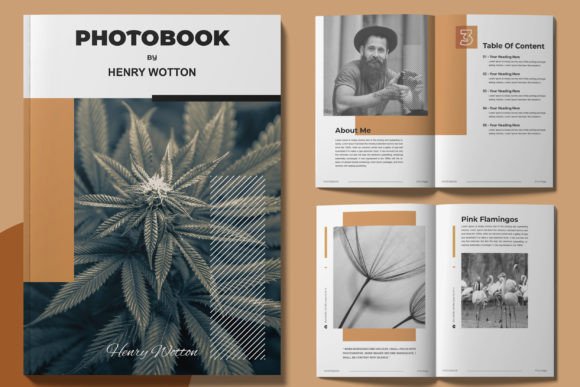
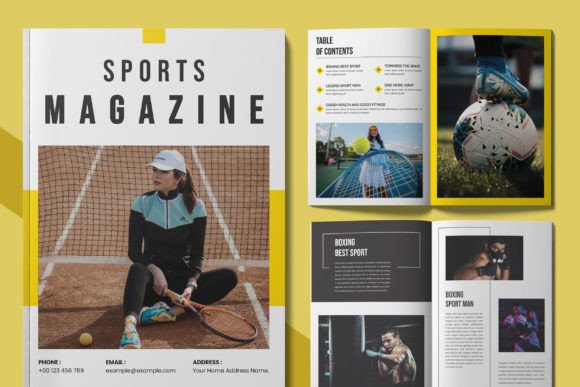
How does a planner layout fit into your professional workflow? The applications are broader than you might think. If you run an e-commerce store, this layout can be adapted into a digital product to sell to your audience. Marketing professionals can use it to storyboard social media campaigns week-by-week. Editorial designers can use the grid structure to plan out magazine layouts or blog post schedules.
Consider the packaging design process. It requires tracking multiple versions, feedback loops, and print deadlines. This planner provides the readability and structure needed to manage those complex workflows. It is also perfect for merchandise creators who need to keep track of inventory and production schedules. The professional presentation of the layout also makes it a great base for creating invitations or posters where text hierarchy is key to audience engagement.
Maximizing Your Layout
To get the most out of this premium font and layout combination, I recommend a few practical steps. First, take advantage of the font pairing possibilities. While the default modern typography is sleek, mixing a bold serif font for headers with a clean display font for body text can create a dynamic hierarchy that makes the planner pop. Second, print a test page. Readability changes significantly between a screen and a printed sheet. Ensure your chosen ink weight and paper stock complement the minimalist design.
Ultimately, staying organized shouldn't be a chore; it should be a practice that empowers you. By utilizing a New Weekly Planner Design Layout that prioritizes both form and function, you create a sanctuary of order in a busy world. Whether you are managing a corporate team or your own freelance career, this tool helps you clear the mental clutter and focus on what matters: doing great work.