Green Nature Logo: Versatile Design for Modern Brands
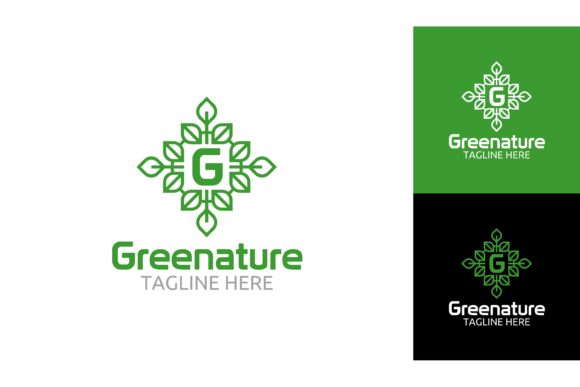
Finding a visual identity that feels both fresh and professional can be a real challenge. You want something that communicates growth, sustainability, and reliability without looking generic or overused. That’s where a thoughtfully crafted asset like the Green Nature Logo comes into play. It’s more than just a symbol; it’s a complete design toolkit built for creators who need flexibility and polish. Imagine launching a new eco-friendly product line, refreshing a wellness blog, or designing packaging for organic goods. You need a logo that works seamlessly across everything from a tiny website favicon to a large printed poster. This particular graphic is designed with that exact versatility in mind, offering a full spectrum of editable files to match your creative vision.
Why a Nature-Inspired Aesthetic Resonates Today
There’s a reason green palettes and organic shapes consistently trend in design. They tap into a deep-seated desire for authenticity, health, and environmental consciousness. When you use a green nature logo, you’re not just picking a color; you’re aligning your brand with values that matter to a huge segment of consumers. Think about the brands you trust in the food, wellness, or outdoor spaces. Many leverage these visual cues to build immediate rapport. The appeal isn’t just about being “eco-friendly” either. It’s about clarity, calm, and a sense of groundedness. For a small business owner or a content creator, this visual shorthand can be powerful. It helps tell a story before a customer even reads your tagline, setting a tone that feels both modern and timeless.
Putting the Design Files to Work Across Your Projects
The real value of a design asset lies in its practical application. Let’s break down how the included files—EPS, AI, PDF, and PNG—can streamline your workflow. The vector formats (EPS and AI) are your best friends for projects that require scaling. Need to embroider your logo on staff uniforms? Print it on a billboard? These files ensure every curve and line stays crisp, no matter the size. The CMYK color mode is specifically optimized for professional printing, so your greens won’t shift unexpectedly when you move from screen to paper. The PNG file with a transparent background is perfect for digital use: drop it onto a website header, overlay it on social media graphics, or include it in a digital presentation. The inclusion of free fonts is a significant practical bonus, ensuring your typography matches the logo’s style without additional licensing headaches.
Consider these real-world scenarios where this asset becomes indispensable:
- Brand Identity Systems: Use the logo as the cornerstone of your entire visual identity. Build out business cards, letterheads, and email signatures with consistent vector graphics.
- Packaging Design: For artisanal products, cosmetics, or food items, a clean, nature-inspired logo printed on labels or boxes instantly communicates product values.
- Digital Presence: Maintain visual consistency from your Instagram profile picture to your website’s favicon. The scalable vectors ensure it looks sharp on Retina displays and mobile screens alike.
- Marketing Collateral: From flyers for a local farmers' market to posters for a yoga studio, the print-ready files save hours of preparation time.
- Merchandise: Thinking about branded tote bags, water bottles, or t-shirts? The logo’s clean lines translate well to various printing methods like screen printing or sublimation.
Strategic Considerations for Implementation
Having a great logo is step one. Using it effectively is step two. A common mistake is inconsistency—using slightly different shades of green or varying the logo’s proportions across different materials. This dilutes brand recognition. The provided CMYK color codes help prevent that, giving you a single source of truth for your color palette. When pairing this logo with other typefaces, think about contrast and hierarchy. If the logo has a clean, sans-serif feel, you might pair it with a simple serif font for body text to create a balanced, readable layout. Always test your combinations at small sizes to ensure legibility, especially for digital applications where screens vary.
Also, think about the context of use. A logo that works beautifully on a minimalist website might need a subtle adjustment—perhaps a simplified version or a monochrome variant—when placed on a busy, colorful background. The flexibility of having the original vector files allows you to create these variations responsibly without degrading the design’s integrity. Before finalizing any design, always do a “real-world” test. Print a sample on the actual paper stock you plan to use, or view the digital mockup on multiple devices. This simple step can save you from costly reprints or a less-than-professional digital appearance.
Beyond the Logo: Building a Cohesive Visual Language
A logo is the anchor, but a strong brand identity is a full ecosystem. The colors, shapes, and style of your green nature logo should inform other design decisions. Pull the exact green hue from the CMYK values and use it as your primary brand color across all materials. Let the organic shapes within the logo inspire secondary graphics or patterns for backgrounds. This approach creates a unified experience for your audience, whether they’re visiting your website, opening your product, or seeing your social media post. It transforms a single graphic into a powerful tool for storytelling and recognition, making your brand feel thought-out and professional.
For entrepreneurs and creators, investing in quality design assets like this one is about saving time and elevating perception. It allows you to present a polished face to the world from day one, building trust with your audience. The ability to fully edit colors and scale the graphic without loss means it can grow and adapt with your business. Whether you’re a designer crafting a client’s identity, a blogger establishing a personal brand, or a small business owner launching your first product, having a reliable, versatile, and professionally crafted logo in your toolkit removes one significant hurdle from the creative process. It lets you focus on what you do best—creating, communicating, and connecting—while your visual identity works silently and effectively in the background.