Crafting Visual Stories: The Art of Magazine Layout
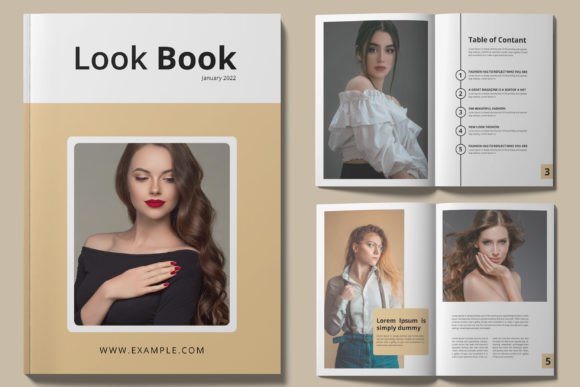
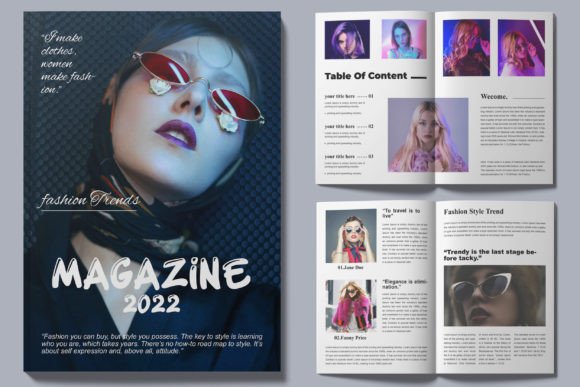
There’s a particular kind of magic that happens when you flip open a beautifully designed magazine. The pages don’t just hold information; they guide your eye, create a mood, and tell a story before you’ve read a single word. That seamless flow from a striking cover to an elegant feature spread isn’t an accident—it’s the result of a meticulously crafted Fashion Magazine Layout Design. This template is more than just a set of pages; it’s a blueprint for visual storytelling, designed to give your project a polished, contemporary foundation that’s both stunning and incredibly practical to use.
More Than a Pretty Page: The Anatomy of an Effective Layout
What separates a good magazine layout from a great one? It’s the invisible architecture. A well-organized template uses a consistent grid system, thoughtful typography hierarchy, and strategic use of white space to create rhythm and focus. This design prioritizes clarity and elegance, ensuring your content—whether it’s a photo essay, an interview, or a product showcase—takes center stage. The clean lines and modern aesthetic provide a versatile canvas that can adapt to high-fashion editorials, lifestyle blogs, or corporate newsletters without feeling out of place. It’s this balance of form and function that makes the design so appealing; it looks effortlessly stylish while doing the hard work of organizing complex information.
From Digital Draft to Print-Ready Masterpiece
One of the biggest hurdles in design is bridging the gap between your screen and the final product. This is where a professionally prepared template truly shines. Being fully compatible with Adobe InDesign (INDD) and set up with a CMYK color scheme means your layout is born print-ready. You won’t spend hours converting RGB colors or fixing bleed issues. The A4 paper size is a standard that works for everything from client pitches to local event programs. The real time-saver, however, is the well-organized layer structure. Imagine being able to swap out images, change color palettes, or update text styles with just a few clicks, without accidentally disrupting the entire design. That’s the power of a clean, layered file—it empowers you to make the template your own efficiently and confidently.
Practical Applications: Where This Design Truly Comes to Life
Think of this layout as a versatile toolkit for your visual communication needs. Its strength lies in its adaptability across a spectrum of projects.
- Brand Identity & Marketing: Use it to create consistent lookbooks, quarterly reports, or promotional materials that reinforce your brand’s professional image. The clean design ensures your logo and brand colors remain the heroes.
- Editorial & Content Creation: For bloggers, independent publishers, or content creators, this template is a launchpad. Structure your long-form articles, photo journals, or portfolio pieces with the sophistication of a major publication. It’s perfect for digital products like downloadable PDF magazines or print-on-demand books.
- Special Projects: Elevate invitations for a gallery opening, design a program for a fashion show, or create a standout resume. The professional presentation immediately boosts credibility and audience engagement.
By providing a structured yet flexible framework, the design solves a common problem: how to achieve a high-end result without starting from a blank page. It ensures visual consistency across all your pages, which is fundamental for building brand recognition. When every element feels intentionally placed, your audience perceives your work—and by extension, your brand—as more trustworthy and authoritative.
Making It Your Own: Customization Without the Headache
A template should be a starting point, not a cage. The fact that this layout is 100% editable and includes links to free fonts means you have full creative control. You can inject your personality by pairing the provided sans serif font with a complementary script font for pull quotes, or swap in a bold display font for your headlines. The key is to maintain the underlying grid and hierarchy that make the design work. Test your font pairings on a sample spread to ensure readability, especially for body text. Remember, the goal is to enhance your content, not overshadow it with overly decorative typography.
Before you dive in, take a moment to review the included help file documentation. It’s a roadmap that can save you time, explaining how to best use the layers and styles. And should you hit a snag, knowing there’s fast and friendly customer service available provides peace of mind, allowing you to focus on the creative process. Whether you’re a seasoned designer streamlining your workflow or an entrepreneur crafting your first brand asset, this Fashion Magazine Layout Design offers a professional, hassle-free path to creating something visually compelling and ready for the world.